Introduction: Meet the Australian Cattle Dog (ACD)
The Australian Cattle Dog (ACD)—also known as the Blue Heeler or Red Heeler depending on coat color—is a smart, high-energy working breed originally developed for herding cattle in the harsh Australian outback. Recently, this breed has soared in popularity thanks in part to the hit animated show “Bluey,” which features a lovable Blue Heeler pup.
But while the cartoon dog may be charming and kid-friendly, real-life ACDs are not for every household. If you’re considering bringing one into your life, read this first to make sure you’re prepared for everything this brilliant, driven breed brings with it.
My Life with Heelers: 25 Years of Experience
As someone who has lived with Heelers for my entire 25-year-old life, I can tell you with confidence: they are unlike any other breed. Loyal, smart, intense, and sometimes exhausting—they’re also the most rewarding dogs I’ve ever known. I’ve had the privilege of working with all sorts of different dog breeds, but the heeler is unmatched.
I grew up side by side with ACDs, and I’ve seen the best and worst of what can happen depending on how well they’re understood and managed.
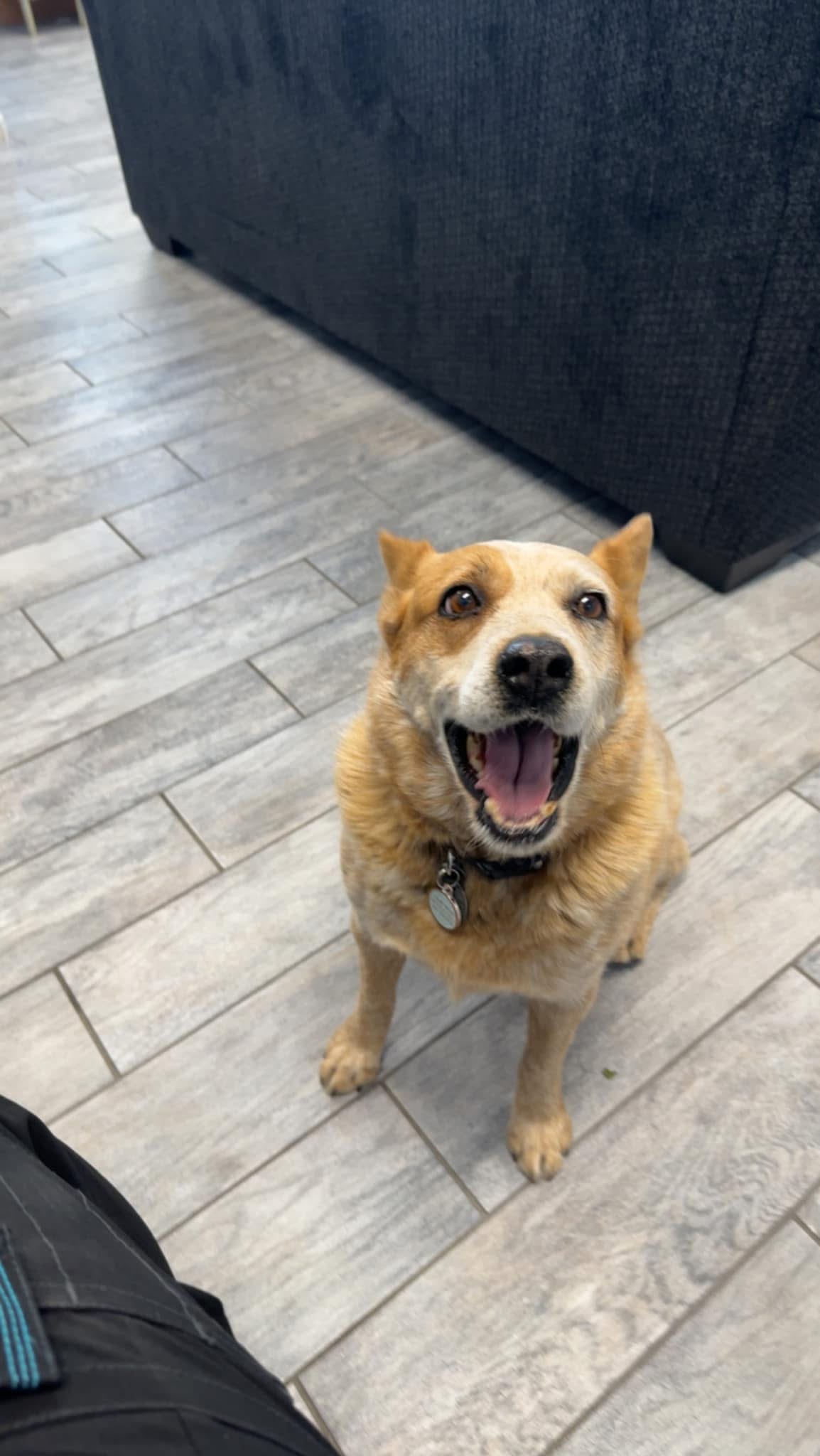
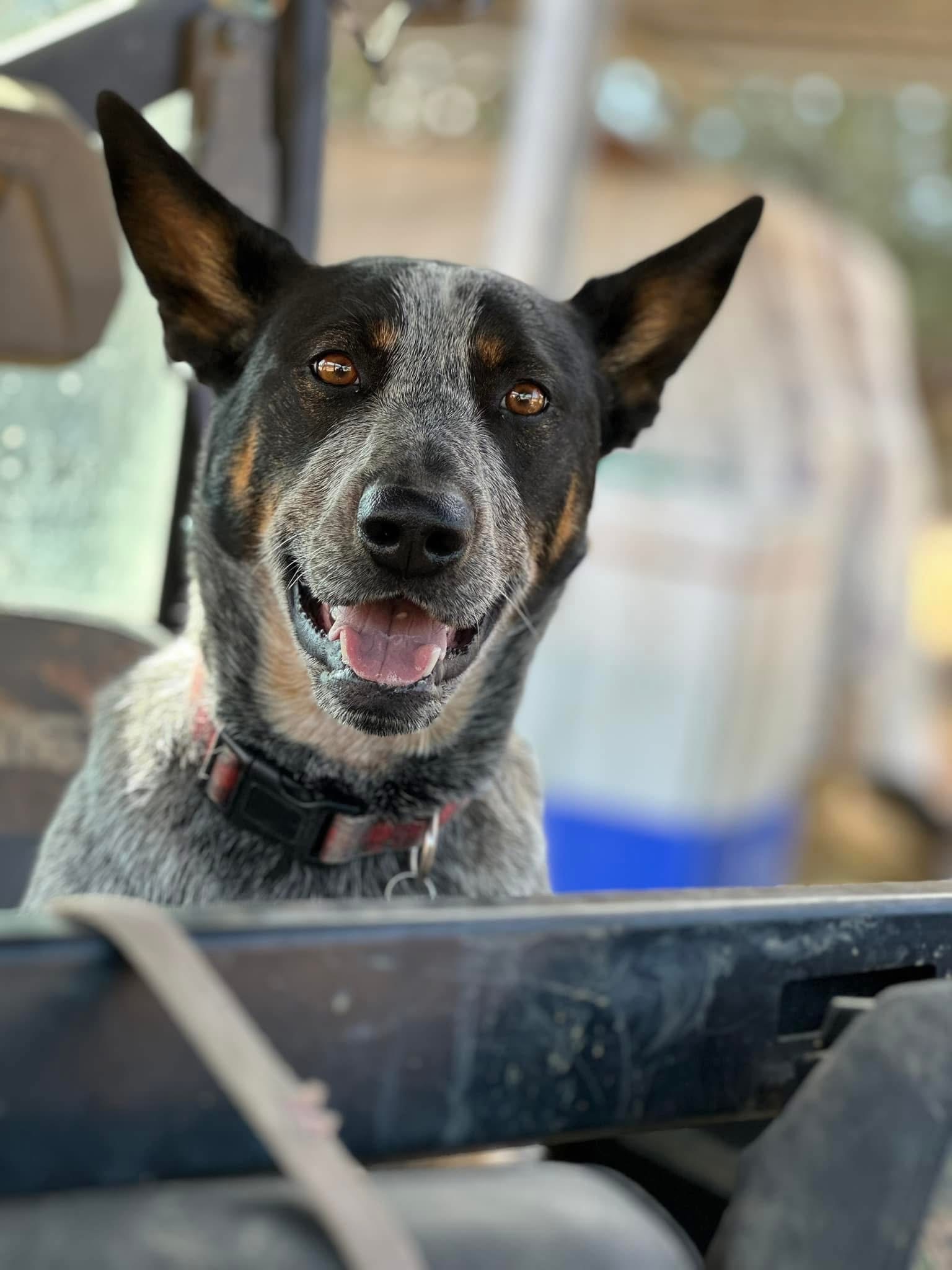
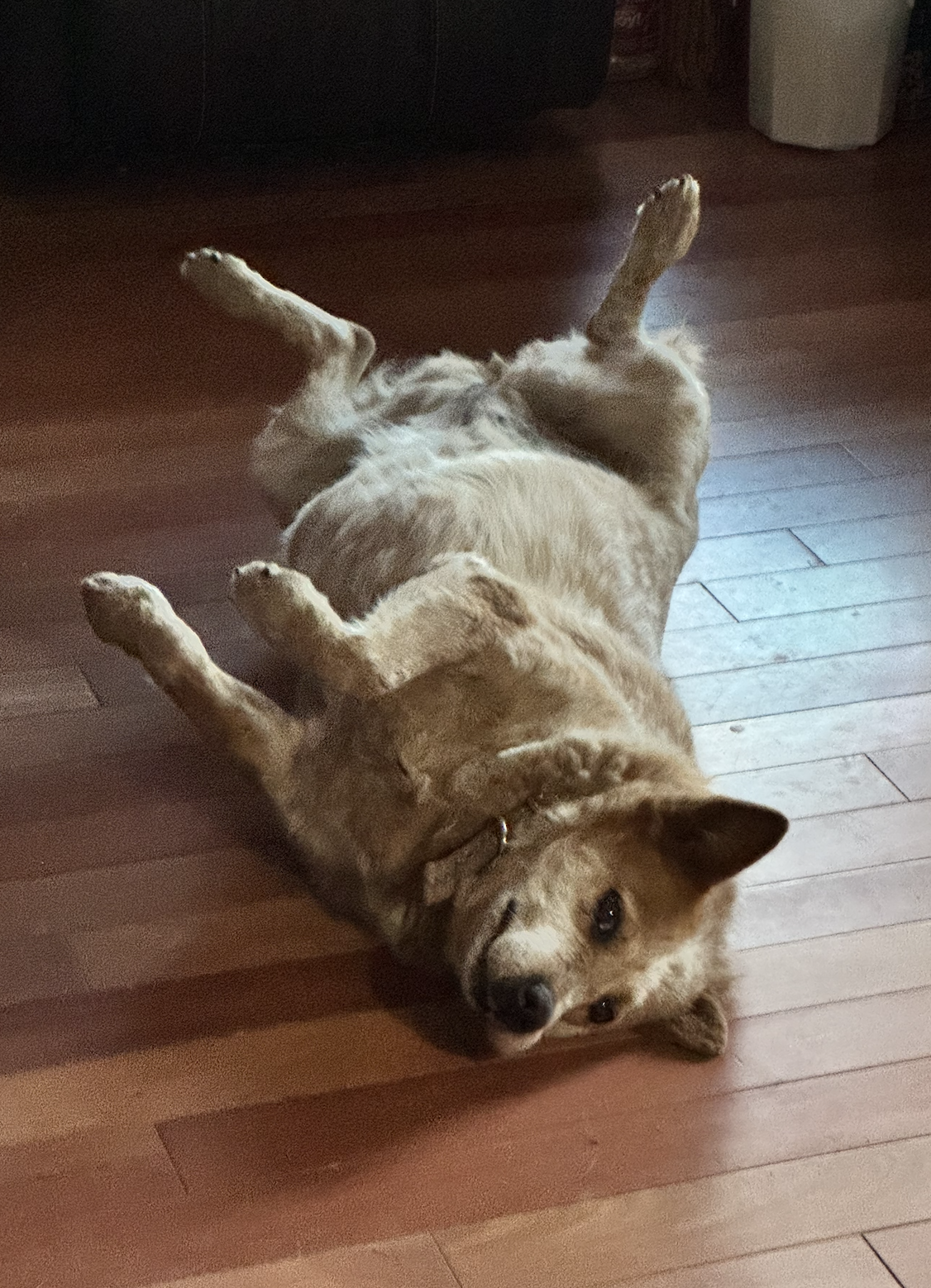
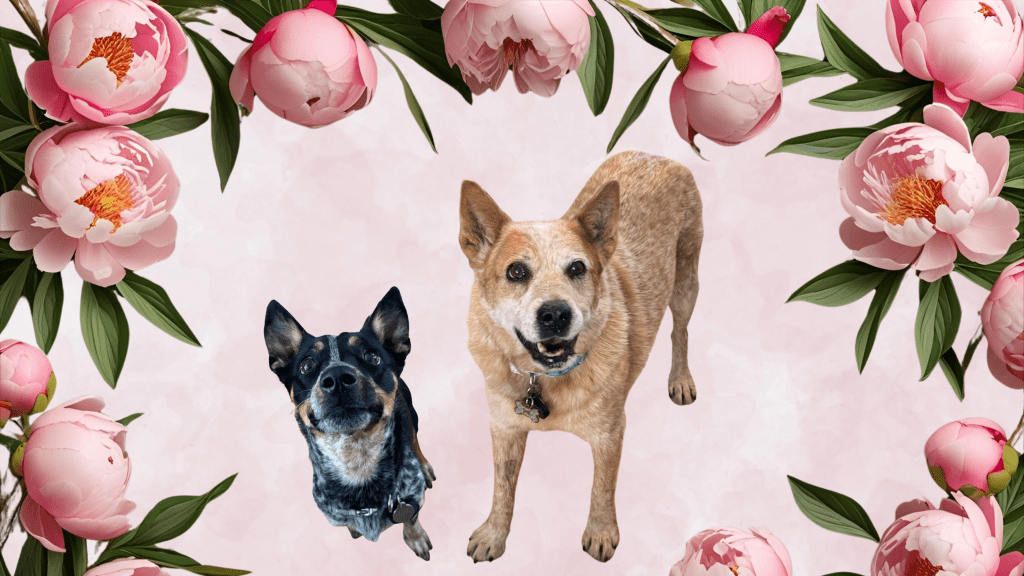
From left to right:
- My 12 year old heeler, Bullet,
- Colt, My grandparent’s 4 year old heeler/malinois mix
- Luna, my grandparent’s 5 year old rescue heeler.
- Shooter, Bullet’s littermate, also my grandparent’s dog.

The “Bluey” Boom and Breed Mismatch
The beloved animated series “Bluey” has created a boom in ACD interest. But many people are falling in love with a fictional, animated character without understanding what a real Blue Heeler needs.
My dog, Annie’s story is a direct result of this trend. Her former family meant well—but they adopted her because “It’s Bluey!” and weren’t ready for a herding dog’s needs.
These dogs are not toys. They are intelligent, independent thinkers who need guidance and purpose. When misunderstood, they suffer—and so do their families.
Annie’s Story: The Real-Life “Bluey” Effect
Most recently, I adopted Annie, an Australian Cattle Dog and Dachshund mix. Her original owners had multiple small children and were struggling with her behavior. Annie was nippy, especially around the kids—classic herding behavior.
When I met her, they explained why they’d chosen her:
“It’s Bluey—we had to have her.”
They were drawn in by the animated show but had no idea what this breed truly needed. Annie, unfortunately, became overwhelmed and misunderstood in that environment.
I brought her home that day, knowing full well what I was getting into—and also knowing that she deserved someone who understood her breed instincts. Shortly after bringing her home, I had her spayed, enrolled her in professional training classes, and purchased a bark collar. Let me tell you, she is the most intelligent and loyal dog I have ever owned!
Note: Vibrations are more abrasive to most dogs than shocks, so we ONLY use the vibrate setting on Annie, and only if the barking is excessive.

Energy Level: This Dog Is Built for Work
The Australian Cattle Dog is one of the most energetic dog breeds in the world. Originally bred to drive cattle across long distances, they are genetically wired to move, think, and work—often all at the same time.
ACD Exercise Requirements:
- At least 1.5–2 hours of exercise daily
- Activities should include both physical and mental challenges
- Without stimulation, they’ll invent their own jobs—chewing, digging, barking, or herding children.
🧠 Pro Tip: A tired Heeler is a good Heeler.
Mental Stimulation is Non-Negotiable
This breed doesn’t just need physical outlets—they crave mental engagement. Without it, they often develop obsessive, destructive, or reactive behaviors.
Ways to Mentally Stimulate an ACD:
- Puzzle toys & treat-dispensing games
- Obedience & trick training
- Herding, agility, or scent work
- Hide-and-seek or advanced fetch routines
- Structured tasks around the home (yes, they like jobs!)
Common Health Issues in Australian Cattle Dogs
Although Australian Cattle Dogs are known for their toughness and longevity, they are prone to several hereditary and chronic health issues. Responsible breeding and early health screening are crucial to managing these risks.
Health Concerns to Watch For:
- Progressive Retinal Atrophy (PRA): A degenerative eye disease that causes gradual vision loss, often leading to blindness. This condition is hereditary and common in ACDs (American College of Veterinary Ophthalmologists).
- Hip Dysplasia: A joint malformation that can cause pain, arthritis, and mobility issues over time. This is common in active breeds like the ACD and should be screened by the Orthopedic Foundation for Animals (OFA) (OFA.org).
- Congenital Deafness: Studies show that 10–15% of Australian Cattle Dogs may be born deaf in one or both ears, especially those with extensive white on the head. A BAER (Brainstem Auditory Evoked Response) test is the gold standard for diagnosis (Strain, G.M., Louisiana State University School of Veterinary Medicine).
- Osteochondritis Dissecans (OCD): A developmental orthopedic disease where cartilage separates from the bone, leading to joint pain. It’s most often seen in growing puppies and active dogs (VetStreet).
- Allergies (Food & Environmental): ACDs are susceptible to both food allergies (common triggers include chicken, beef, or grains) and environmental allergens like pollen, dust mites, and grass. These often manifest as chronic itching, paw licking, ear infections, or skin rashes (PetMD).
🐾 Tip: Allergies in ACDs are often mistaken for behavioral issues. If your dog is scratching constantly, licking paws, or shaking their head, talk to your vet about possible allergen testing or a diet elimination trial.
Health Screening: When getting an ACD puppy, ask the breeder for:
- OFA hip certification
- BAER hearing test results
- Canine Eye Registry Foundation (CERF) eye evaluations
For rescues or mixes like my girl Annie, get a full veterinary exam and consider allergy screening if symptoms arise.
Signs the ACD May Not Be the Right Dog for You
Even though they’re smart and loyal, Australian Cattle Dogs aren’t ideal for everyone. You might want to think twice if:
- You don’t have a yard or live in a small apartment
- You prefer a low-maintenance or sedentary lifestyle
- You have very young children and no time for training
- You can’t commit to daily physical and mental exercise
- You want a dog that’s easygoing or always obedient
They’re working dogs—not plush toys or passive companions.
Final Thoughts: Are You Ready for an Australian Cattle Dog?
If you’re active, experienced, and ready to commit to structure, the Australian Cattle Dog is one of the most rewarding companions you’ll ever have. Their loyalty and intelligence are unmatched—but only when their needs are met.
I’ve spent my life with this breed, and Annie is now thriving. But I knew what she needed—and that made all the difference.

 The Balanced Pet Parent
Leave a comment